
Blog
Aging is Not a 4 Letter Word
Everyone ages. Babies become toddlers, toddlers become kids, kids become teens and so on. New parents are hungry to learn about the next stage of life for their children. Don’t stop learning about aging. Embrace it, enjoy it and learn about your next stage in life.
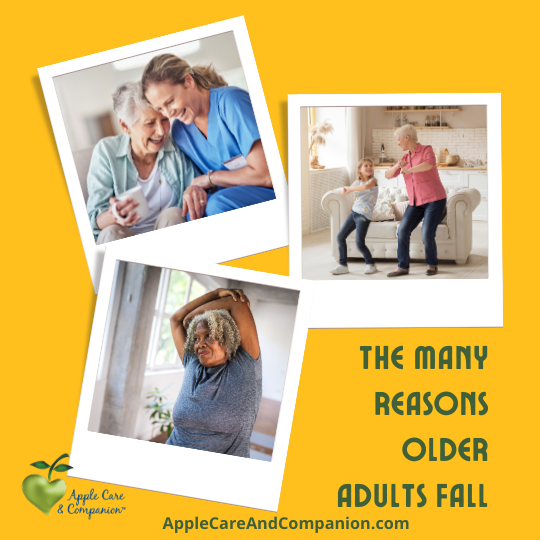
The Many Reasons Older Adults Fall
Falls are not always caused by poor balance or a hazard in the home. Hydration, nutrition, sleep, pain, medications, vision, mental health and changes in activity can all play a role.
Questions to Ask Before Hiring a Home Care Agency
Choosing a home care agency involves more than comparing hourly rates. These questions can help families evaluate caregiver screening, services, scheduling, communication and ongoing support.
The Gift of Knowing
Planning ahead doesn’t take away the grief, but it leaves families with peace instead of second-guessing, a gift that matters more than ever this National Healthcare Decisions Day.
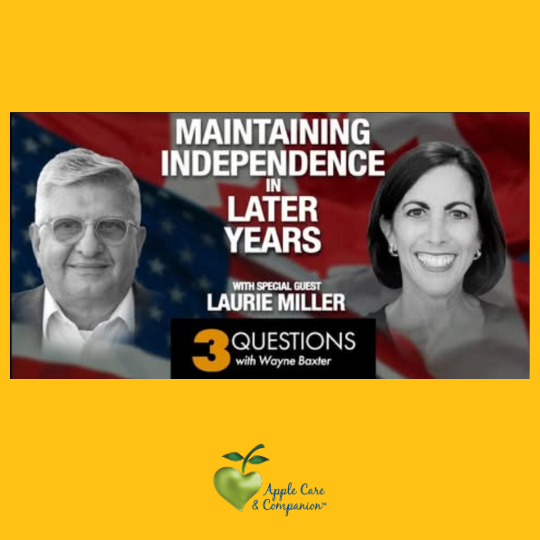
Navigating the "Care Conversation": 3 Questions for Aging Parents
I was recently a guest on the 3 Questions Podcast. The episode is “3 Questions To Ask About How Our Parents and Loved Ones Can Maintain Independence in Their Later Years”.
What I Want Families to Know Before the Holidays
A Thanksgiving reflection on caregiving, family support, and sibling roles. Download the Sharing the Load Guidebook to reduce stress and improve teamwork.
Home for the Holidays
The holidays might still feel a few weeks away, but it’s not too soon to start thinking about them.
Before the rush of travel and to-do lists, it helps to pause and consider what you might notice when you visit aging parents or loved ones.

Should I Move Mom to Assisted Living?
Wondering if it’s time to move a parent to assisted living? In this honest conversation, Laurie and Mark Miller share what really matters when making this decision and why it's rarely as simple as it seems.
Noticing Memory Changes in Mom or Dad? Here’s What to Know
Caring for a parent who seems a little “off” can feel overwhelming—especially when you’re not sure what’s normal or what to do next.

Why We Need to Rethink How We Prepare for Aging
The question caught me off guard—but my answer came quickly.
At a recent meeting with fellow healthcare professionals, someone asked, “What’s one thing you wish you could change in your field?”
Without hesitation, I said: I wish more people would plan ahead when it comes to aging and caregiving.
Because too often, we don’t make decisions until we’re forced to—and by then, our options are limited.
Proactive Caregiving: Why Waiting for a Crisis Is a Costly Decision
What does proactive caregiving really look like? It’s not about being overprepared—it’s about being ready. Start small, but start now.

Home Care Assessment Tool
Signs, solutions, and next steps—our Home Care Assessment and Companion Guide make it clear.

Do You Know the Signs?
Dementia is one of the most feared diagnoses among older adults and their families.
But what if early signs were hiding in plain sight, mistaken for normal aging?
Preparing for Holiday Visits
The holiday season can bring family together, often providing a unique chance to check in on aging loved ones' well-being. For those who don’t see their older family members regularly, subtle changes can signal shifting needs, which can be overwhelming to notice all at once.
When, Who and What’s Next after Dementia Diagnosis
Recognizing the Early Signs of Dementia: Know When to Seek Help. From memory lapses to changes in mood and problem-solving abilities, staying informed can make a difference. Learn the common signs to look out for.
Part 4 of 4 part series
Does Grandma have Dementia?
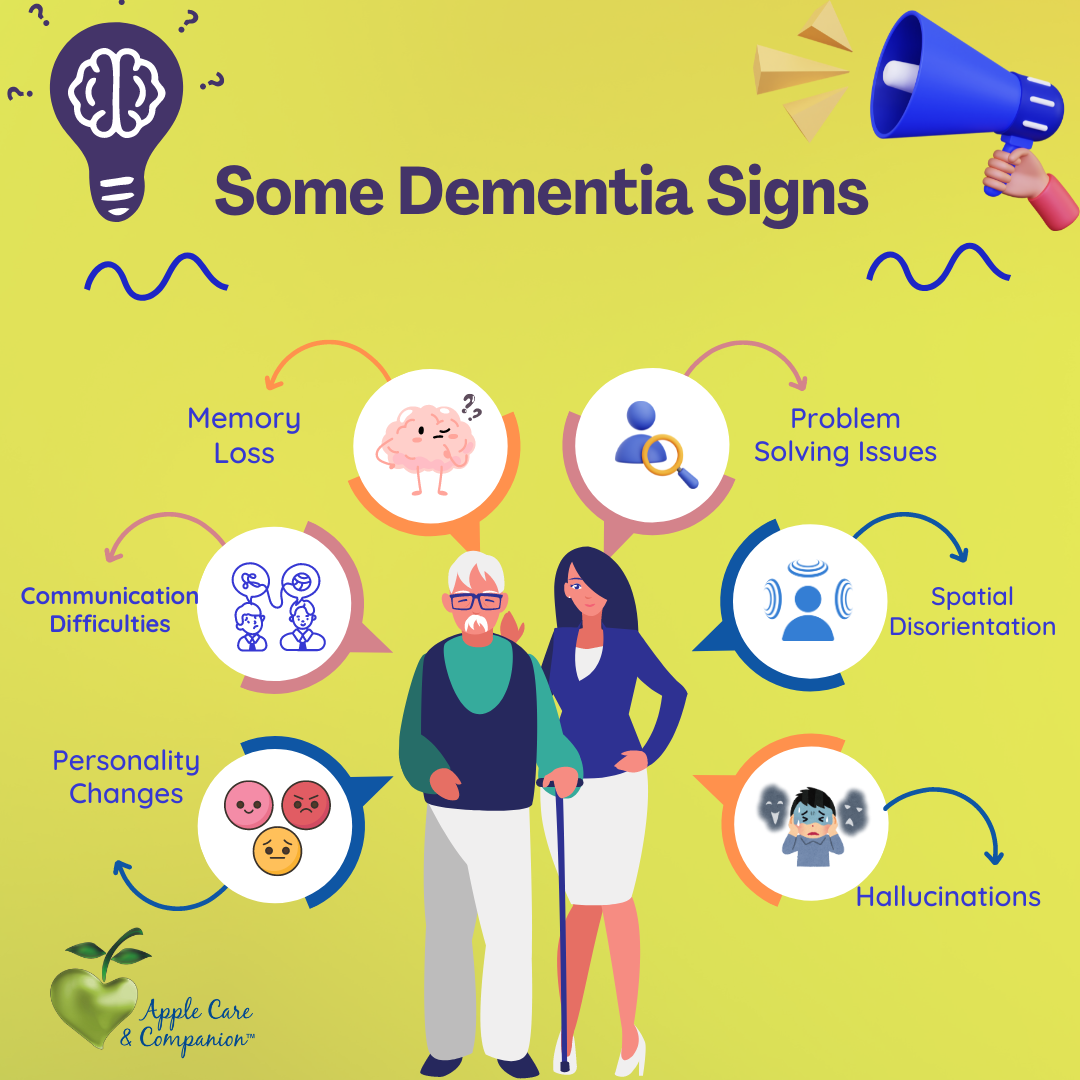
Is it normal aging or a sign of dementia? Dementia can present through various symptoms, including memory loss, difficulty with problem-solving, communication challenges, and personality changes. Recognizing these early signs can help identify when it’s time to seek professional support.
Part 3 of 4 part series
Importance of Early Detection and Diagnosis of Dementia
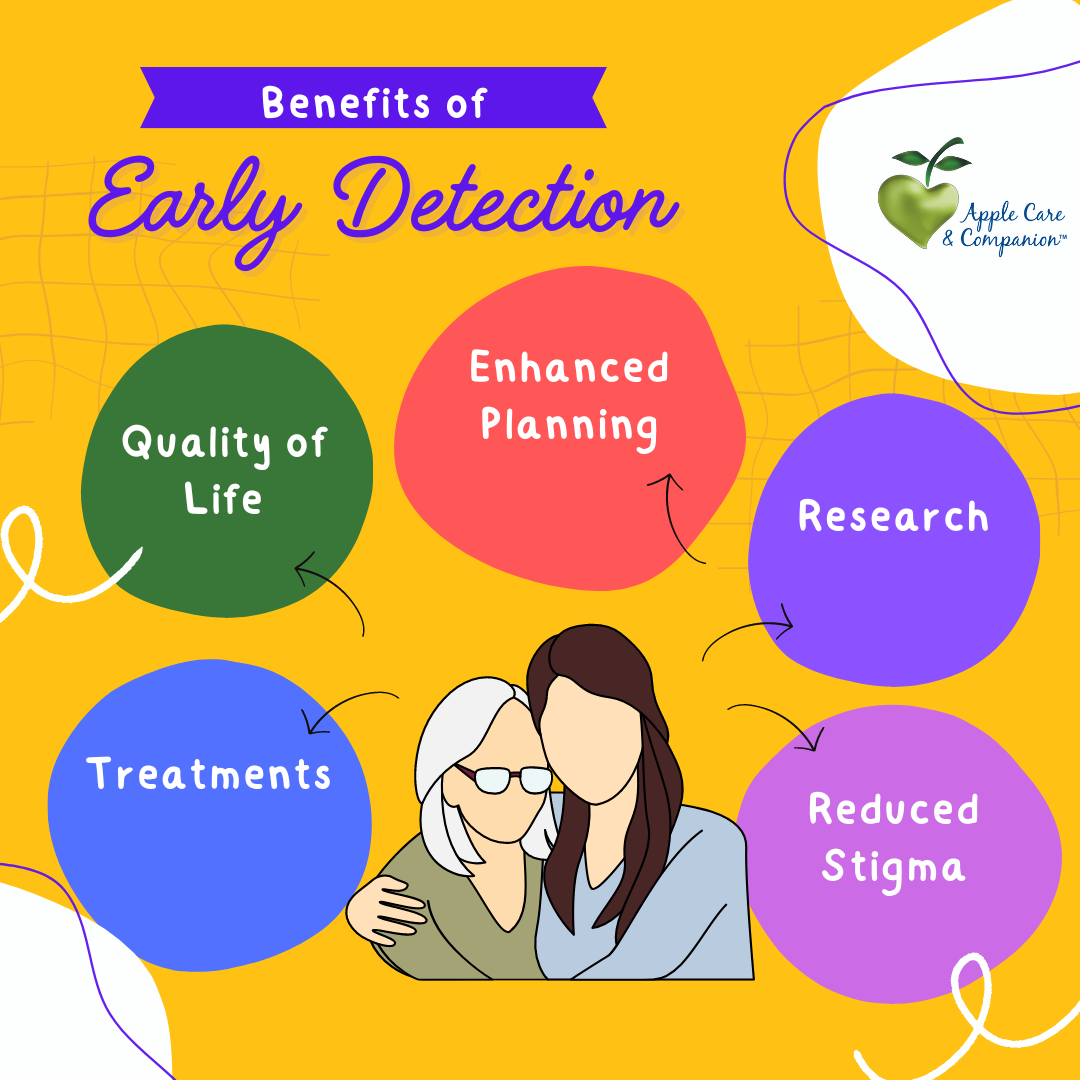
Recognizing the early signs of dementia is crucial for getting a proper diagnosis and accessing available treatment options. Early diagnosis of dementia offers several benefits for both the individual and their loved ones.
Part 2 of 4 part series
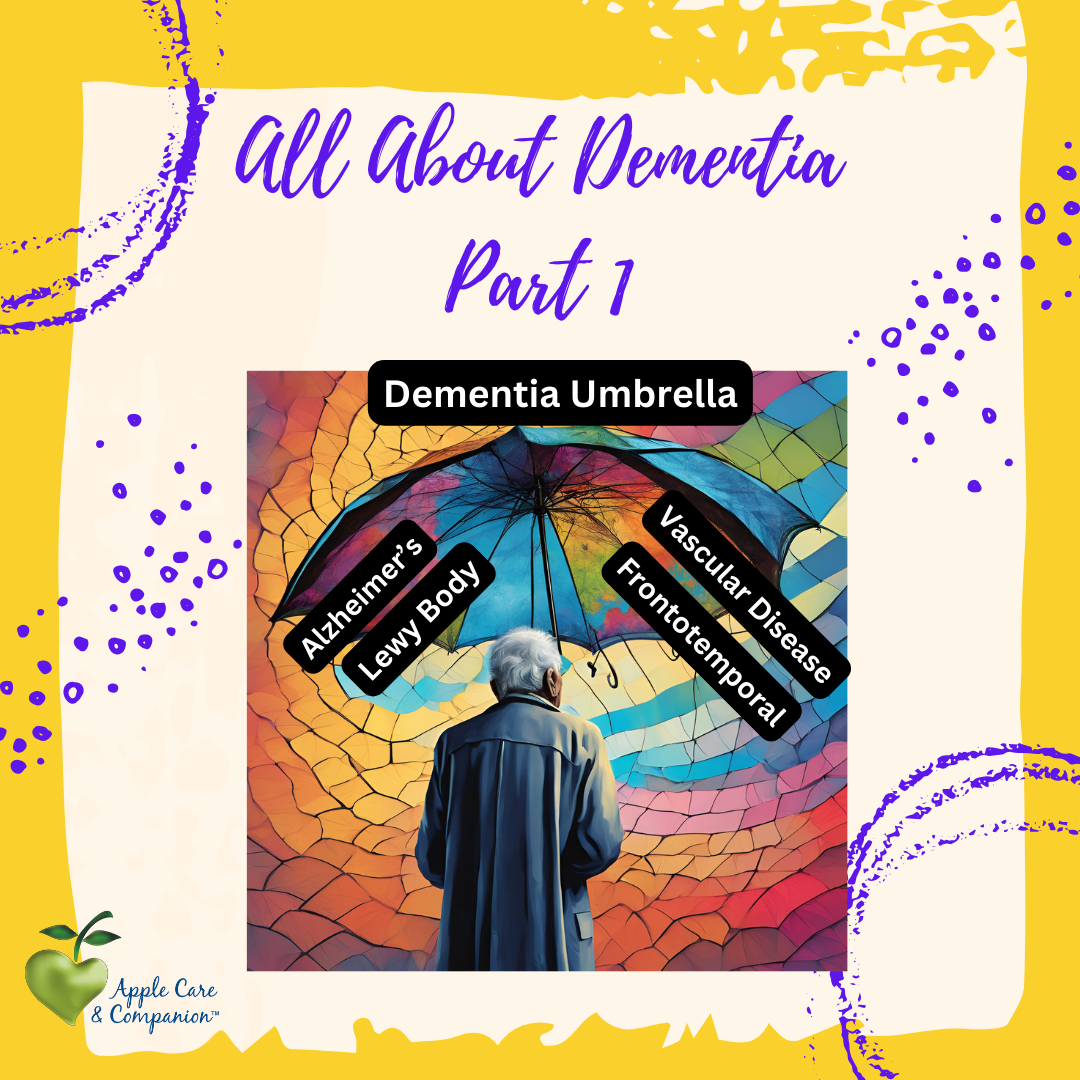
Does Mom have Alzheimer’s?
Dementia is a general term for a decline in cognitive function that interferes with daily life. While it's often associated with aging, dementia is not a normal part of getting older. There are many different types of dementia, each with its own cause and progression.
Part 1 of 4 part series

Secret Weapons for Brain Health
Did you know that people are now more afraid of dementia than cancer? It's a startling statistic that highlights the growing concern about cognitive decline.
The good news is, we have the power to influence our brain health. Learn about lifestyle factors like diet, exercise, and mental stimulation can significantly mitigate your risk of developing symptoms of cognitive decline.

5 Tips for Managing Family Dynamics
Caregiving can be a rewarding but challenging experience, especially when family members disagree on important decisions. Read more to learn five practical tips to help you manage family dynamics (personally or professionally) in caregiving.

From Caring to Drained: Understanding Compassion Fatigue
Whether you're a professional caregiver or a family member providing support, self-care is essential to protect your well-being and continue providing the compassionate care you're known for.